When is the Best Time for Whale Watching in Alaska
Most people will never experience having a whale the size of a city bus surface just feet away from them. In Alaska, it happens every day. After guiding visitors through Southeast Alaska’s waters for over two decades, we at Above & Beyond Alaska have learned that timing can make all the difference between seeing a whale far away and having close experiences you’ll never forget.
Alaska’s whales follow nature’s schedule. These animals move, feed, and behave in patterns that happen at specific times each year. Visit at the right time for whale watching in Alaska, and you’ll turn your trip from hoping you might spot a whale to actually getting close encounters.
Whether you’re planning months ahead or wondering if there’s still time this season, this guide shows you exactly when Alaska’s waters are packed with whale activity and how to time your visit for the best viewing experiences.
When Do Whales Arrive in Alaska Waters?
Whales arrive in Alaska waters following patterns we’ve tracked for over twenty years, and knowing these patterns gives you a real advantage when planning your trip.
Early Season: April and May
The first whales begin arriving in Southeast Alaska waters in late April, but these are typically scouts rather than the main feeding groups. May marks the true beginning of feeding season, as whale numbers increase steadily throughout the month.
During May, whales are still establishing feeding territories and patterns. While sightings occur regularly, whales may be more spread out and less predictable in their movements. This period offers excellent opportunities for travelers who don’t mind working a bit harder for their sightings.
Peak Season: June Through September
June represents the transition into prime whale watching season. By early June, most migrating whales have reached Alaska waters and begun settling into their summer feeding routines. In Juneau specifically, whales typically arrive in the nearby waters of Stephens Passage and Icy Strait by mid to late May, with peak numbers established by early June. This is when viewing becomes most reliable, making it an ideal time to plan your Juneau whale watching adventure.
The progression through summer follows feeding cycles and prey availability. June and July see whales establishing territories and beginning intensive feeding. August and September represent peak feeding season, when whales are most active and visible as they prepare for their return migration south. Around Juneau, August consistently delivers some of the year’s most reliable whale encounters as feeding activity reaches its peak in the nutrient-rich waters.
Late Season: September and October
September often provides some of the year’s best whale watching as animals intensify their feeding before heading south. October can still offer excellent viewing, particularly early in the month, though whale numbers begin declining as migration accelerates.
Late season viewing often features increased surface activity as whales prepare for their journey, including more frequent breaching and social behaviors that create spectacular photo opportunities.
What Are the Peak Months for Different Whale Species?
Each whale species follows distinct patterns that create specific windows for the best viewing experiences.
Humpback Whales: Alaska’s Star Performers
Prime Time: June through September
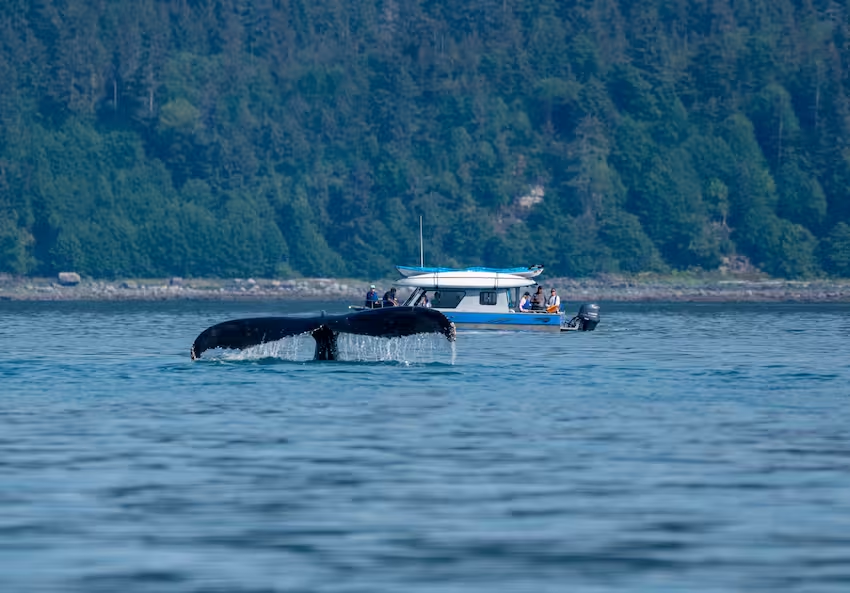
Humpback whales provide some of Alaska’s most dramatic wildlife experiences. These massive animals stretch up to 60 feet long, about the length of a school bus and a half, and can weigh as much as 40 tons. When something that size launches itself completely out of the water, it’s a sight you’ll never forget.
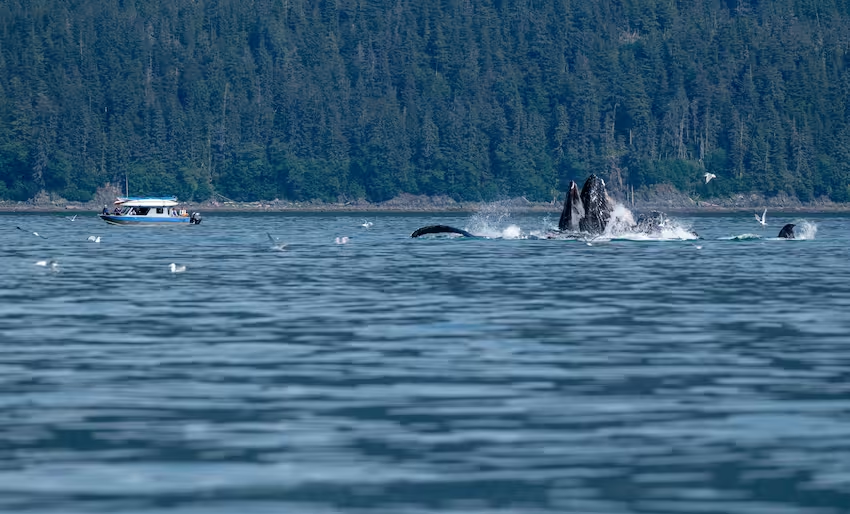
June marks the start of regular humpback activity, with early summer whales focused on claiming feeding territories. By July, most humpbacks have settled into feeding routines. August brings the bubble-net feeding behavior where groups work together trapping herring with coordinated bubble clouds. Watching this hunting technique unfold is unlike anything you’ll see elsewhere.
September continues excellent humpback viewing as whales intensify feeding before migration. Late season humpbacks often display increased surface activity, including more frequent breaching and tail slapping.
Orcas: The Ocean’s Apex Predators
Prime Time: May through September, with peaks in July and August
Orcas may be smaller than humpbacks at 20-26 feet long, about the size of a city bus, but they’re arguably more impressive hunters. These intelligent predators can swim up to 35 mph, which is faster than most boats can travel.
Orcas follow salmon runs and maintain more complex seasonal patterns than other species. Resident orcas, which feed primarily on salmon, peak during summer salmon runs in July and August. These family groups provide incredible opportunities to observe complex social behaviors and hunting strategies.
Transient orcas, which hunt marine mammals, appear more sporadically throughout the season but offer dramatic moments. The social nature of orcas makes every sighting unique, with pod interactions and coordinated hunting creating dynamic viewing experiences.
Other Notable Species
Minke whales, the compact cars of the whale world at just 20-25 feet, are occasionally spotted in Alaska waters during summer months but remain one of the less commonly seen species and tend to be elusive. Blue whales, the largest animals ever to exist on Earth at up to 100 feet long, imagine two school buses end-to-end, occasionally visit Alaska waters during peak summer months. Seeing one of these giants is considered the holy grail of whale watching. Gray whales pass through during spring and fall migrations, offering brief but exciting viewing opportunities.
How Does Weather Impact Alaska Whale Watching?
Weather plays a crucial role in whale watching success, but Alaska’s maritime climate creates unique considerations that experienced guides learn to navigate.
Sea Conditions and Visibility
Calm seas provide the best whale spotting conditions, making it easier to detect spouts, dorsal fins, and surface movements. Southeast Alaska’s protected Inside Passage waters generally offer more favorable conditions than open ocean locations.
Overcast conditions often enhance whale watching by reducing glare on the water surface. Light rain rarely impacts viewing negatively, as whales remain active regardless of precipitation, and subdued lighting can actually improve spotting conditions.
What to Pack for Alaska Whale Watching
After two decades of outfitting guests, we’ve learned that comfort equals better whale watching. Here’s your gear checklist:
- Moisture-wicking base layers (skip cotton entirely)
- Fleece or wool middle layer
- Waterproof jacket
- Warm hat with chin strap
- Waterproof gloves
- Waterproof boots or hiking boots
- Sunglasses and sunscreen
- Small waterproof bag for essentials
Planning Around Weather Variability
Southeast Alaska’s weather changes rapidly, but this variability rarely cancels whale watching opportunities entirely. Professional operators monitor weather patterns and adjust routes to maximize viewing opportunities regardless of conditions.
The key to successful whale watching in Alaska is flexibility and working with experienced guides who understand how to adapt to changing conditions. Weather that might seem challenging often produces excellent whale encounters for those who know where to look.
What Makes Southeast Alaska Waters Ideal for Whale Watching?
Southeast Alaska’s geography creates conditions that concentrate whales in accessible areas, making our region stand out among whale watching destinations worldwide.
The Inside Passage Advantage
The Inside Passage provides protected waters and predictable whale movements. This network of channels and islands creates ideal feeding conditions while providing sheltered viewing opportunities for tour boats.
The complex coastline creates upwelling zones where nutrient-rich waters support the marine food web that attracts massive whale populations. Protected waters mean more comfortable conditions and longer seasons compared to exposed coastal areas.
Marine Richness and Biodiversity
Southeast Alaska waters support incredible biodiversity that attracts numerous whale species simultaneously. Salmon runs, herring spawning, and krill concentrations provide abundant food sources throughout the extended feeding season.
This abundance means whales can feed efficiently in concentrated areas, increasing viewing reliability. Seeing multiple whale species during single tours is common in Southeast Alaska waters.
When Should You Book Your Alaska Whale Watching Adventure?
Timing your visit means balancing prime whale viewing conditions with practical considerations like weather and availability. For a complete breakdown of what to pack, which tour types work best for different preferences, and how to prepare for your adventure, our detailed guide on what to expect and how to prepare for your Alaska whale watching tour will help you make the most of your experience.
Peak Season: July and August
July and August represent peak whale watching season, offering the most reliable encounters and greatest species variety. These months coincide with Alaska’s warmest weather and longest daylight hours, creating ideal conditions.
Peak season also brings higher demand, particularly from cruise ship passengers. Booking well in advance becomes essential during these months.
Shoulder Season Opportunities: June and September
June offers excellent whale watching with fewer crowds. Whale numbers build throughout the month, and by mid-to-late June, viewing reliability approaches peak season levels.
September provides some of the year’s most exciting whale watching as animals intensify feeding before migration. Whales often display increased surface activity during September, including more frequent breaching.
Multi-Day Planning Strategies
Building whale watching into a longer Alaska itinerary provides backup opportunities if weather affects individual days. Multiple tour options allow you to experience different aspects of Alaska’s marine environment while increasing your chances of amazing whale sightings.
What Should You Expect During Your Whale Watching Adventure?
Setting appropriate expectations enhances your experience by preparing you for wildlife viewing realities while maintaining excitement for these amazing moments.
Wildlife Viewing Realities
Wildlife operates on natural schedules, but experienced guides understand whale patterns and position tours for optimal success. Peak season tours typically achieve very high success rates for whale sightings.
Individual tours vary in the number and types of whale experiences, but this variability makes each trip unique. Weather conditions and seasonal variations influence opportunities, but experienced operators adapt their approaches to maximize success. Beyond whales, Alaska’s waters and coastlines offer incredible opportunities to spot sea otters, sea lions, bald eagles, and other marine wildlife. Timing your visit during Alaska’s optimal wildlife viewing seasons can enhance your chances of experiencing the full spectrum of Alaska’s natural wonders.
Tour Experience
Most tours begin with safety orientations and whale identification briefings. Boat positioning strategies vary based on whale locations, with experienced captains using local knowledge to provide optimal viewing opportunities.
Tours include educational components covering migration patterns, feeding behaviors, and conservation challenges. While photography provides wonderful mementos, the most memorable moments often occur when you simply observe these magnificent animals directly.
Why Choose Above & Beyond Alaska for Your Whale Watching Experience?
After more than two decades guiding visitors through Southeast Alaska, we’ve learned what creates meaningful whale encounters that guests remember long after their trip ends.
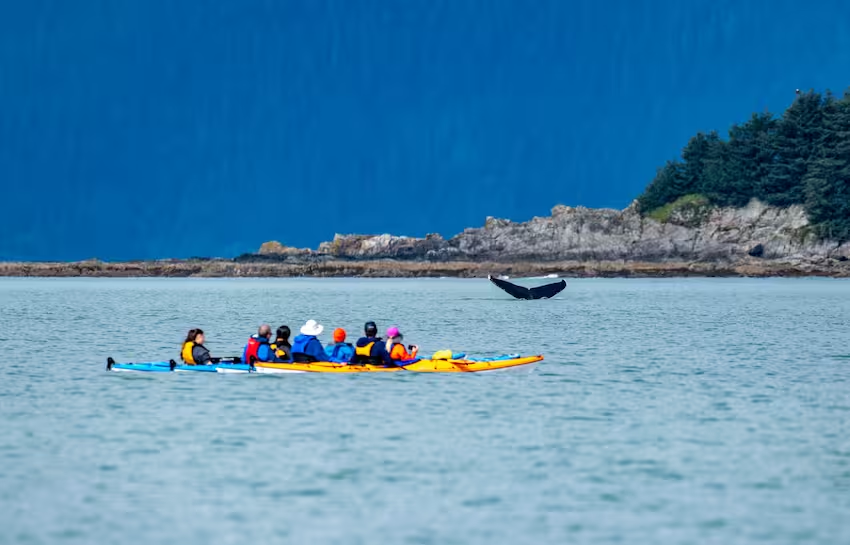
Our small group tours ensure personalized attention and optimal viewing opportunities. We limit group sizes to provide intimate experiences that larger operations cannot match.
Local expertise accumulated over thousands of tours allows us to position boats for successful whale sightings while providing educational context that transforms sightings into meaningful connections with Alaska’s marine ecosystem.
We operate with deep respect for whales and marine environment, following strict guidelines and contributing to conservation efforts that protect Alaska’s waters for future generations.
Experience Alaska’s Whales This Season
Peak whale watching season in Alaska offers incredible opportunities, and availability fills up quickly. Alaska’s whales are actively feeding during these prime months, providing spectacular viewing opportunities for visitors who time their trips correctly.
Our expert guides are ready to share decades of knowledge and help you experience whale sightings that create lifelong memories. From bubble-net feeding displays to breaching humpbacks, we’ll position you for optimal viewing and provide the context that makes these experiences truly special.
The window for this year’s peak whale watching season won’t last forever. Book your whale watching adventure today and discover why Alaska offers some of the world’s most incredible whale watching experiences.